
The One About Ibogaine

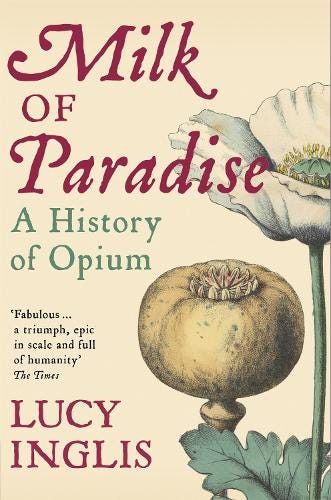
Given that the world is descending into utter, monstrous lunacy by the second (before we even start on the unrelenting encyclopaedia of horrors that comprises ‘Epstein’ the ghastly depths of which we have no doubt not even begun to see, if we ever do), a lot of things are becoming lost in the mix. Many of these things are far beyond my meagre understanding of politics, and particularly American politics, but there are things I do know something about. Like narcotics and addiction.
America continues to struggle in the grasp of a monumental opioid epidemic as China continues to smuggle, funnel and even Fedex (in t-shirts and silica gel packets for instance) ever stronger synthetic incarnations into North America. Fentanyl is the most well known of these, but as of today, by no means is it the strongest. Until recently carfentanil, originally developed for tranquilizing large wildlife such as rhinos and elephants in controlled conditions, was the strongest synthetic infiltrating America’s ‘heroin’ market - and by that I mean, heroin as refined from opium gum is now rapidly disappearing at the cheaper end of the scale. Nitazenes are the latest danger, labelled by the media as ‘10x stronger than fentanyl’, which is always alleged to be ‘30 to 50x stronger than heroin’. All these numbers mean nothing when traditional heroin distribution infrastructures, reliant on old methods for adulterating their heroin, are suddenly faced with loading bulking agents - think cheap vitamin tablets, but cheaper - with microscopic doses of lethal chemicals. The majority of traditional heroin users are self-aware about how much they can handle, then fatally caught out by their usual dose containing synthetic product. Opioid deaths in the United States hit a high in 2022-2023, when numbers went over 100,000, with another 57,400 by March 2024. All figures are approximate, by the way, and I am making the best of the nebulous and unreliable figures: end stage heroin users are usually what is known by the euphemism ‘multisubstance users’. Numbers declined for the rest of 2024 and for 2025, but this is owing largely to the wide distribution of naloxone, a medication that reverses the effects of opiates of any kind as long as it is administered quickly. To put the influence of these synthetic opioids originating almost exclusively from China into context, in March 2025 66.2% of all drug overdose deaths in the preceding year were deemed by the CDC (Centres for Disease Control and Prevention) to be primarily down to opiates of any kind (meaning your old-fashioned heroin and its derivatives), of which 57.9% involved fentanyl or another synthetic opioid. These figures demonstrate the overwhelming and ruinous power of the new synthetics. This image is a crude visual. You get the idea. Easier to ship, to smuggle (less aromatic), detect in things as simple as postal envelopes or gift boxes, even boxes of crackers and long-life doughnuts, and far, far easier to consume too much of them.
A misanthropic individual may ask what possible reason would China have for ridding America of its consumers of the cheapest grade heroin? Bear in mind these are usually people living in abject urban conditions as hardened drug users, or in rural poverty with no access to pain medication through health insurance. It’s about three things: destabilizing established drug-dealing organizations (making them vulnerable to infiltration), at the same time as cheapening supply to entice new users, and causing disruption to social cohesion across American communities, both urban and rural. To make things worse, if possible, established heroin organisations across North America would like a return to the old way of things, where heroin was heroin, but the Taliban is continuing to prove a far from reliable provider of the top grade opium gum from Afghanistan, depending on their tactical whims and stockpiling tendencies. So, the second highest grade naturally grown opium producer in the world, the Shan state of Burma, is stepping in to fill the void. Riven by civil war, they are desperate to obtain cash for arms and are shipping out record amounts of refined heroin through Mizoram state in India, where it is causing all kinds of social strife. So far, so miserable all round.
Yet ALL IS NOT LOST. If only people could be saved from this terrible affliction, right? And salvation has now arrived in the form of none other than the tangerine overlord and podcaster Joe Rogan. On 20 April this year, in an extraordinary video - not linked here because I find everything about it offensive - filmed in the Oval Office and posted on social media, Joe Rogan thanked the President for granting immediate FDA (Food & Drug Administration) approval for a treatment for opioid and opiate addiction called ibogaine. How, you might ask, was this miraculous approval achieved? Not by the 3 stages and endless lengthy checks and balances of the FDA, which has held out staunchly against the use of ibogaine in heroin withdrawal since the 1970 Controlled Substances Act. No. It was achieved via text message between these two men. Text message.

Rogan, grinning like a gurning fool, seems to be congratulating himself on making some kind of Newtonian discovery. Yet ibogaine is far from unknown in America, primarily through the endeavours of one man. In 1943, Howard Lotsof was born in the Bronx to Abner and Lillian Lotsof. He managed to graduate high school in New Jersey, but he was already taking a considerable amount of heroin. He was also a big fan of psychedelics, namely LSD. As what is known in trade parlance as a ‘mixologist’, he was high on heroin the night he also crossed paths with ibogaine in 1962. Ibogaine is a natural but potent psychedelic and Lotsof had a powerful trip lasting several hours. ‘Afterwards, I was walking and I looked at this tree, and as I looked at it I realized I no longer had any fear of death. Also that I was no longer addicted to narcotics.’ Habitual users of heroin will often re-up multiple times a day to stave off withdrawal so this in itself struck Lotsof, 19yo connoisseur that he already was, as remarkable. It turned his life around. Two years later he was still clean and married to his life partner Norma, who believed in and contributed to his studies for the duration of their 45 year long marriage. He and Norma assisted other heroin addicts to clean up with ibogaine, although his side hustle in LSD (which could easily have actually been ibogaine) did end up in an arrest in 1967. He had his wrists slapped, and went on to study film at university, the industry in which he earned his living from 1976. With Norma, he continued to champion ibogaine for heroin withdrawal and between 1983 and 1990 filed five patents for the use of ibogaine in treating heroin addiction and/or withdrawal. But the drug kept failing the FDA trials and remained a Class I drug. This was owing mainly to its possible effects on the heart when taken by a cardiac-vulnerable user or in too large a quantity (like any other intoxicant).
Thus, ibogaine remained on the fringes of addiction therapy, illegal in North America, but available in various rehab clinics around the world, namely in the Caribbean and only accessible to the few. Howard Lotsof died in 2010, but his work had not gone unrecognized (more on that in a bit), and institutes studying the effects of psychedelics on PTSD started to take an interest in LSD. LSD can have dramatically polarized effects on trauma, depending namely on how the patient is feeling at the time it is administered, but there have certainly been positive outcomes. Then, in 2025, Stanford University published a study involving 30 Mexican veterans (lots of experimental or possibly controversial North American medical studies are conducted either in Mexico, or upon Mexican subjects, surprise, surprise). All suffered significant levels of PTSD, many had physical disabilities, and almost half were using substances to cope. Ibogaine treatment was found to be highly effective according to the leader of the study, Nolan Williams MD, who stated, ‘No other drug has ever been able to alleviate the functional and neuropsychiatric symptoms of traumatic brain injury … The results are dramatic, and we intend to study this compound further’. Enter Rogan, stage right.
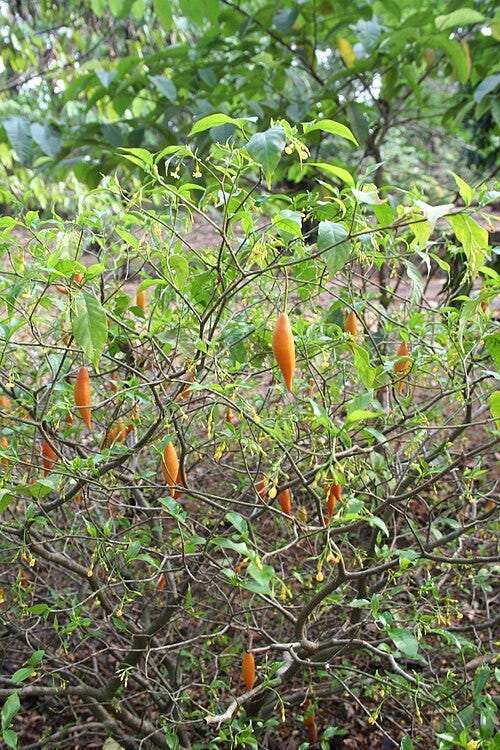
Rogan is a vocal supporter of the use of psychedelics for traumatized veterans, as well as many other things, so this study would have been of interest to him. This current conflict with Iran has the potential to produce tens of thousands traumatized veterans, which Donald Trump could care less about, as witnessed in recent press conferences. So why bypass the FDA with such urgency? Let’s get into the meat of the matter. Ibogaine is derived from the root bark of a shrub, Tabernanthe iboga, which grows primarily in Gabon, Cameroon and across most of the Congo basin. These are the exact areas glutted with vast reserves of unexploited mineral wealth that the developed world is currently foaming at the mouth to tear into. But they are getting worried: Africa is pushing back. President Paul Kagame of Rwanda said at the Africa Forward Conference in Nairobi this week that he isn’t particularly interested in the condescending ‘partnership not patronage’ approach offered by The West, as through the use of Small Modular Reactors, Rwanda will soon have an independent energy infrastructure rather than relying on the Democratic Republic of Congo, and Uganda to supply them. From there they plan to control their own natural resources, which includes significant amounts of tantalum, vital for aerospace technology. The look of discomfort and rictus smiles on the white faces in the room as the calm and measured Kagame spoke was something to behold.

All this seems, as with so many things in the past months, far too big a coincidence. Overall, the legalisation of ibogaine is well overdue. We can only hope for a swift resolution to the dreadful events in the Middle East, but we are facing a shift in the order of our world. From the rise of AI; the seemingly fathomless depths of the Epstein network’s depravity, a craven and faithless global ruling class, to foolish wars and grotesque genocides, these are times of colossal change.
Yet one thing I know to be true is that whatever the outcome of the legalisation of ibogaine, which I do believe will be positive in the fight against all forms of substance addiction, it is NOTHING to do with that mango monstrosity or a podcast host. Howard Lotsof died a beloved husband and innovator. He was 67. As an advocate and true believer in the therapeutic value of ibogaine, he devoted his life as an activist to helping others overcome addiction and trauma. An African shrub took him from the street corners of the Lower East Side to an experimental Panama clinic; the seedy White Hotel in Amsterdam where he established a last chance ibogaine saloon for the city’s huge numbers of heroin users, to the National Institute for Drug Abuse in Maryland. It also took him to Gabon, where he learned about the plant’s use in the Bwiti religion as a rite of passage. In Gabon in 1987, the president Omar Bongo presented Lotsof with a symbolic 40kg of iboga root bark for his achievements stating, ‘This is Gabon’s gift to the world’.
Let us hope that it is, and that ibogaine is not simply another excuse for voracious governments to set their sights on the riches of Africa.

Blimey. That's my tiny East Devonian mind blown. Fascinating as ever Lucy I, thank you
Brilliantly researched piece, Lucy. I had never heard of Ibogaine.